


 Close Menu
 World
 Biography
 Health
 Education
 Business
 Lifestyle
 Sports
 Technology
 Animals
 History
 Food
 Religious
 Startups
 Movies
 Politics
 Fashion
 Covid
 Diet
 Fitness
 Marketing
 Travel
 Science
 Reviews
 Social media
 Stories
 Facts
 Art
 Entertainment
Daisy Adams

Business
The Safety Habits That Keep Pets Secure While Flying With an Escort
 Daisy Adams
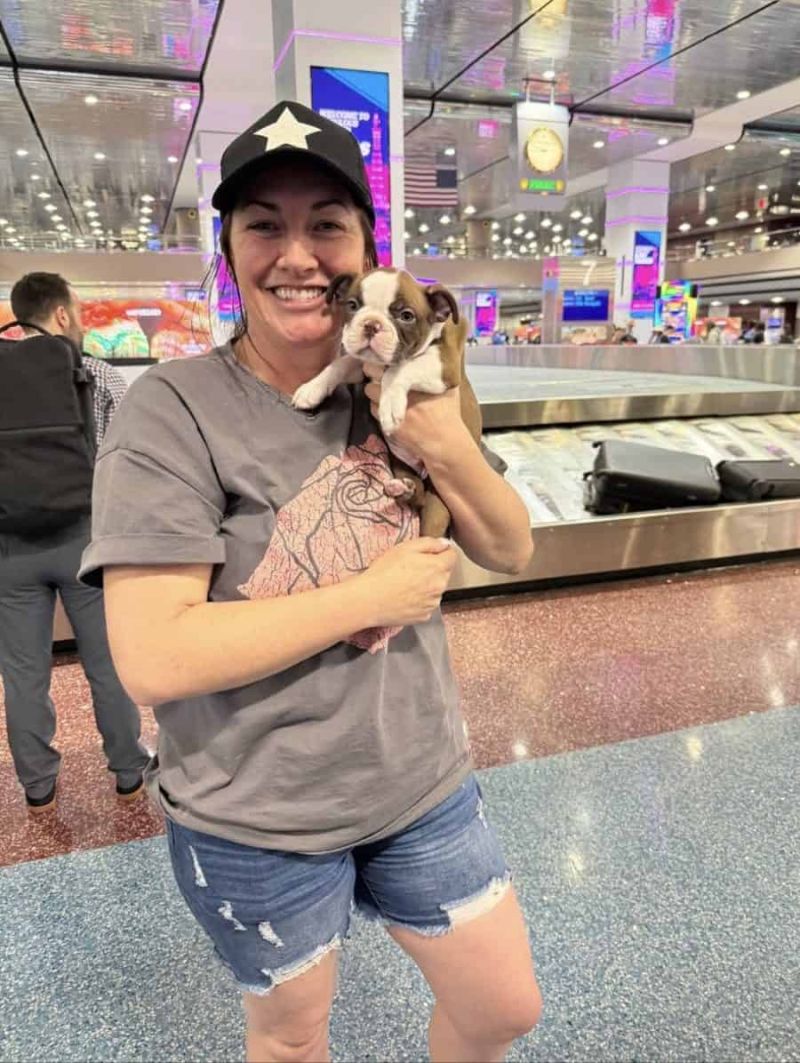
When a family hands over a pet to a stranger, they are trusting that person completely. Good intentions are not enough. The people who do this well rely on steady habits that protect the animal at every step.
Safety in pet travel is mostly made of small, repeated actions. None of them are dramatic, but together they prevent most problems.
Many people considering flight nanny jobs are surprised to learn how much of the work is simple discipline rather than anything flashy.
Keeping Every Pet Contained
Airports are busy, noisy places. A startled pet can bolt in a second, so careful handling is the first rule. Carriers should be sturdy, ventilated and checked for damage before each trip.
Escorts usually follow a few simple rules:
- Open the carrier only in an enclosed, private space
- Keep a firm grip on the carrier handle in crowded areas
- Check zippers and mesh before leaving for the airport
- Never leave a carrier unattended, even briefly
Watching for Early Signs of Stress
Pets cannot tell anyone when something feels wrong, so escorts learn to read the signs. Heavy panting, constant whining, trembling or unusual stillness can all mean a pet needs attention.
Small adjustments often solve the problem. A sip of water, a quieter spot or a soothing voice can settle an anxious animal before the stress builds.
Paperwork and Eligibility
A safe trip starts before the airport. Pets must be at least eight weeks old for domestic flights and healthy enough to travel. International trips may need extra health documents and entry requirements that depend on the destination.
Checking these details early prevents last-minute surprises at the counter. It also protects the pet from being turned away after a long morning of travel.
Cleanliness Matters
Young animals can be vulnerable to illness, so clean equipment matters. Fresh liners, wiped-down carriers and washed hands between assignments all reduce the chance of passing anything along.
Escorts also use common sense about where a pet goes. A quiet private space is often better than a crowded public area, especially for very young puppies.
Being Ready for Changes
Weather, mechanical issues and missed connections are part of air travel. A prepared escort carries water, a collapsible bowl, waste bags and a few comfort items. Backup options matter, too, since flights sometimes shift with little warning.
Strong communication helps here as well. When plans change, the sender and receiver hear about it right away through the group text, so nobody is left guessing.
Choosing People You Can Trust
Families should feel comfortable asking questions about who is caring for their pet. At QT Pet Transport, nannies are trained and background-checked, and the pet rides in the cabin beside them instead of in cargo. That kind of openness is a good sign in any transport provider.
Conclusion
Safe pet travel does not depend on luck. It comes from careful handling, clear paperwork, clean equipment and constant attention to how the animal is feeling. When those habits are in place, owners can relax knowing their companion is in capable hands from the first step to the last.
Source:
Click for the: Full Story
You might like









You Might Like this